How to Report Wildlife Crimes in Africa?
Report Wildlife Crimes Anonymously, Wildlife crime is a significant threat to biodiversity in Africa, home to some of the world’s most iconic species, including elephants, rhinos, lions, and pangolins. Illegal activities such as poaching, trafficking, habitat destruction, and the illegal pet trade continue to endanger these animals, pushing many toward extinction. Reporting wildlife crimes is crucial in combating these illicit activities, but many people are unaware of how to do so effectively. This article provides a comprehensive guide on how to report wildlife crimes in Africa, including the necessary steps, key organizations involved, legal frameworks, and the importance of community participation.
Understanding what to Report Wildlife Crimes Anonymously in Africa
Wildlife crimes encompass a range of illegal activities, including:
- Poaching: The illegal hunting or capturing of wild animals, often for their tusks, horns, or skins.
- Trafficking: The illegal trade of wildlife products, such as ivory, rhino horn, or live animals.
- Habitat Destruction: Illegal logging, mining, or land encroachment that threatens wildlife habitats.
- Bushmeat Trade: The illegal hunting of wild animals for meat consumption.
- Illegal Pet Trade: The capture and sale of exotic animals as pets.
These crimes not only threaten endangered species but also undermine conservation efforts, disrupt ecosystems, and fuel organized crime. Reporting such activities is essential for law enforcement agencies to take action.
Steps to Report Wildlife Crimes Anonymously in Africa
1. Identify the Crime
Before reporting, it’s important to recognize what constitutes a wildlife crime. Suspicious activities may include:
- Seeing someone with firearms in protected areas.
- Finding animal carcasses with missing tusks or horns.
- Observing illegal logging or mining in conservation zones.
- Noticing the sale of banned wildlife products in markets or online.
2. Gather Evidence (Safely)
If possible, collect evidence without putting yourself at risk:
- Take photos or videos (from a safe distance).
- Note the location, time, and descriptions of suspects or vehicles.
- Avoid confronting poachers or traffickers directly, as they may be armed.
3. Report to the Relevant Authorities
Different countries in Africa have specialized agencies for handling wildlife crimes. Below are some key contacts and methods for reporting:
A. National Wildlife Authorities
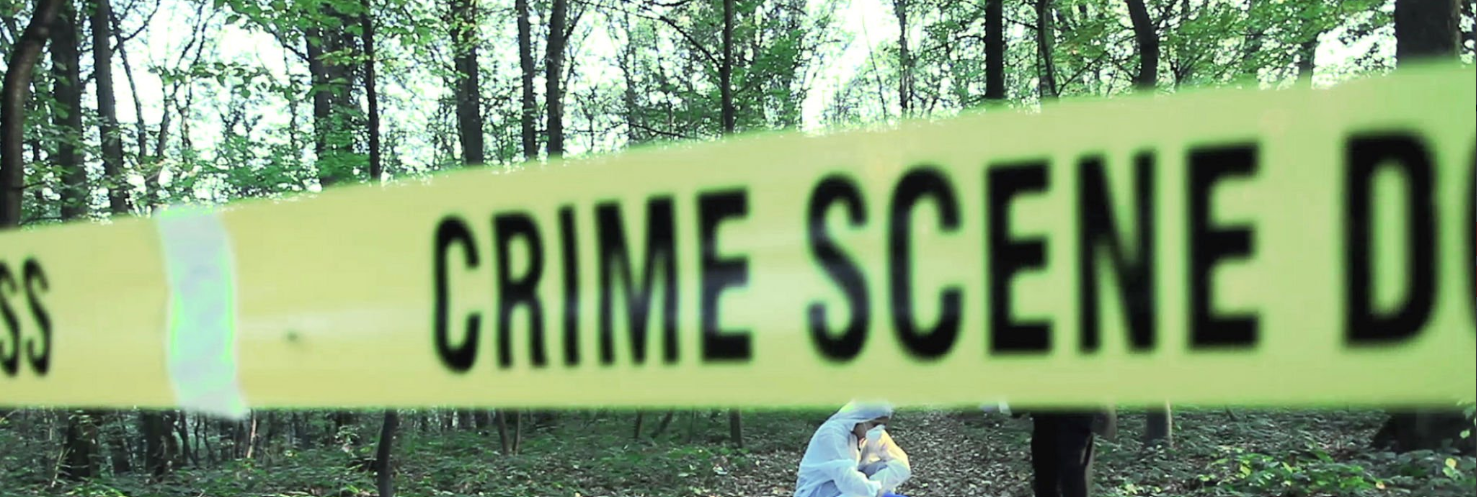
Most African countries have government agencies dedicated to wildlife protection. Examples include:
- Kenya: Kenya Wildlife Service (KWS) – Hotline: +254 20 2379407
- South Africa: Environmental Crimes Hotline – 0800 205 005
- Tanzania: Wildlife Division – +255 22 286 6064
- Nigeria: National Environmental Standards and Regulations Enforcement Agency (NESREA)
- Zambia: Department of National Parks and Wildlife (DNPW)
B. International Organizations
Several global organizations assist in combating wildlife crimes:
- INTERPOL Wildlife Crime Unit: Reports can be made through local INTERPOL offices or via their website.
- Wildlife Crime Hotline (World Wide Fund for Nature – WWF): Some regions have dedicated hotlines.
- TRAFFIC: A wildlife trade monitoring network that works with governments to combat illegal trafficking.
C. Mobile Reporting Apps
Technology has made reporting easier through apps such as:
- WildEye Africa: A platform for tracking and reporting wildlife crimes.
- Wildlife Whistleblower: An anonymous reporting tool.
- SMART (Spatial Monitoring and Reporting Tool): Used by rangers but can sometimes include public reporting features.
D. Local Community Networks
In many rural areas, community-based anti-poaching units work closely with authorities. Reporting to local conservation groups or village leaders can also be effective.
4. Provide Detailed Information
When reporting, include:
- The exact location (GPS coordinates if possible).
- Descriptions of suspects, vehicles, or equipment.
- The type of wildlife or products involved.
- Any photographic or video evidence.
5. Maintain Anonymity if Necessary
In high-risk areas, whistleblowers may fear retaliation. Many hotlines and apps allow anonymous reporting to protect identities.
6. Follow Up
If possible, check back with authorities to ensure action is taken. Persistent reporting increases the chances of prosecution.
Legal Frameworks Against Wildlife Crimes in Africa
Many African countries have strengthened laws against wildlife crimes, with severe penalties including heavy fines and imprisonment. Key legal instruments include:
- CITES (Convention on International Trade in Endangered Species): Regulates cross-border wildlife trade.
- Lacey Act (U.S.) & EU Wildlife Trade Regulations: Help curb illegal imports from Africa.
- National Laws: Countries like Kenya and South Africa impose life sentences for poaching endangered species.
Despite these laws, enforcement remains a challenge due to corruption, limited resources, and weak judicial systems. Public reporting helps bridge this gap.
Challenges in Reporting Wildlife Crimes
- Fear of Retaliation: Many witnesses hesitate to report due to threats from criminal networks.
- Lack of Awareness: Rural communities may not know how or where to report crimes.
- Corruption: Some officials may be complicit, hindering investigations.
- Slow Legal Processes: Cases often drag on, discouraging whistleblowers.
To overcome these challenges, education, community engagement, and stronger whistleblower protections are needed.
The Role of the Public in Combating Wildlife Crime
Every individual can contribute by:
- Educating others about wildlife laws.
- Supporting ethical tourism and sustainable products.
- Volunteering with conservation groups.
- Using social media to raise awareness (without jeopardizing investigations).
Wildlife crimes in Africa require urgent action, and reporting them is a critical step toward conservation. By knowing how to identify, document, and report illegal activities, citizens can help protect endangered species and preserve ecosystems for future generations. Whether through hotlines, mobile apps, or local authorities, every report matters. Together, we can combat wildlife crime and ensure Africa’s natural heritage thrives.
Take Action Today!
If you witness a wildlife crime, do not stay silent—report it to the nearest authorities or use anonymous platforms. The fight against wildlife crime starts with you.