Can I Do a Budget Safari in Both Kenya and Tanzania?
When planning an African safari, one of the most common questions travelers ask is, “Can I do a budget safari in both Kenya and Tanzania?” The answer is a resounding yes! While both countries are renowned for their breathtaking wildlife experiences, many assume that safaris are exclusively a luxury affair. However, with careful planning, smart choices, and a bit of flexibility, it’s entirely possible to explore the wild wonders of Kenya and Tanzania without breaking the bank.
This article will guide you through the essentials of planning a budget-friendly safari in these two iconic East African destinations. We’ll compare costs, highlight affordable parks, discuss transportation options, and provide money-saving tips to help you experience the magic of the Maasai Mara and the Serengeti on a shoestring budget.
Why Choose Kenya and Tanzania for a Budget Safari?
Kenya and Tanzania are home to some of Africa’s most spectacular wildlife reserves, including the Maasai Mara, Serengeti, Ngorongoro Crater, and Amboseli National Park. Both countries offer:
- World-famous wildlife sightings (the Big Five, the Great Migration, and more).
- Affordable camping and budget lodges compared to luxury safari destinations like Botswana or South Africa.
- Well-established tourism infrastructure, making independent travel feasible.
- Shared border crossings, allowing travelers to visit both countries in one trip.
While Tanzania is generally slightly more expensive than Kenya due to higher park fees, both can be explored economically with the right approach.
Comparing Costs: Kenya vs. Tanzania
1. Park Fees
Park fees are one of the biggest expenses on a safari. Here’s a rough comparison:
| Park (Kenya) | Daily Fee (Non-Resident) | Park (Tanzania) | Daily Fee (Non-Resident) |
|---|---|---|---|
| Maasai Mara | $80 (high season) | Serengeti | 70(lowseason)−80 (high season) |
| Amboseli | $60 | Ngorongoro | 70(plus295 crater fee) |
| Tsavo | $52 | Tarangire | 45(lowseason)−53 (high season) |
Key Takeaway: Kenya’s park fees are slightly lower, but Tanzania’s northern circuit (Serengeti, Ngorongoro) can be more expensive. Opting for less-visited parks like Lake Manyara or Tarangire in Tanzania can reduce costs.
2. Accommodation: Camping vs. Budget Lodges
Staying in campsites or budget lodges is the best way to save money.
- Kenya: Public campsites inside parks (e.g., Mara, Amboseli) cost 20–30 per night. Budget lodges range from 50–100 per night.
- Tanzania: Campsites in Serengeti cost around 30–50. Budget lodges start at 60–120.
Pro Tip: Camping inside parks allows for early game drives without extra entry fees.
3. Transportation: Self-Drive vs. Group Tours
- Self-Drive Safaris (Cheaper but requires planning):
- Renting a 4×4 in Kenya costs 80–150 per day.
- In Tanzania, expect 100–200 per day (higher due to stricter rental policies).
- Group Joining Safaris (Budget-friendly option):
- Shared group tours in Kenya (3-day Mara trip) start at 300–500.
- In Tanzania, a 4-day Serengeti tour starts at 600–900.
Best Choice: Joining a group safari splits costs and includes guides, park fees, and meals.
Top Budget Safari Destinations in Kenya and Tanzania
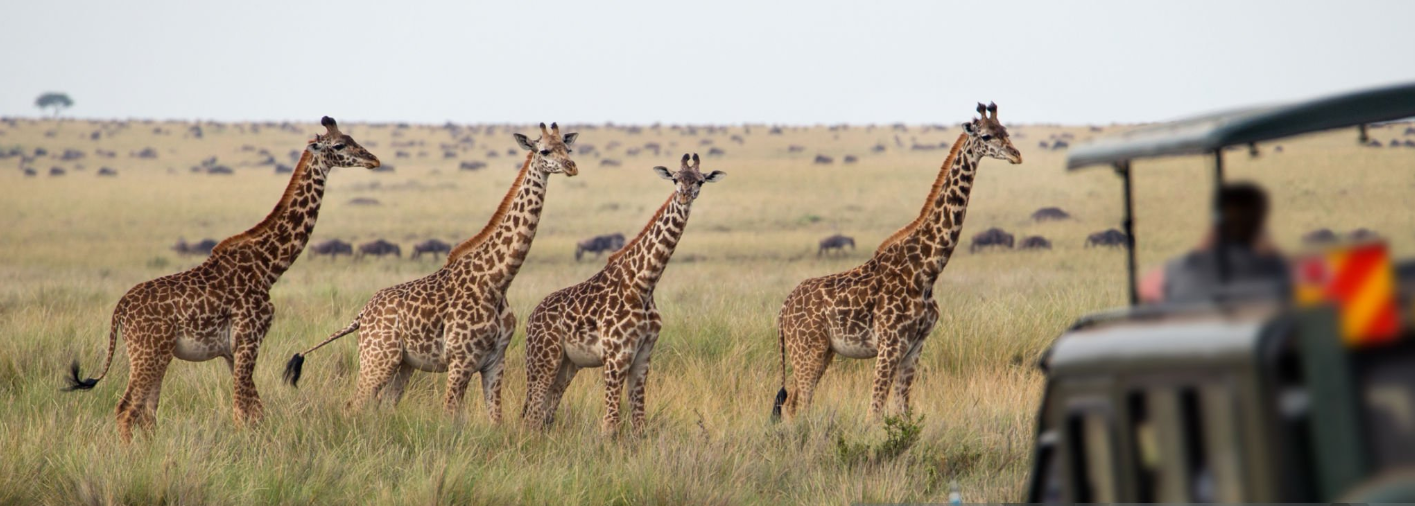
Kenya’s Best Budget-Friendly Parks
- Maasai Mara National Reserve – The most famous, but budget camps outside the reserve (Mara North Conservancy) offer cheaper rates.
- Amboseli National Park – Famous for elephants with Kilimanjaro views; affordable public campsites available.
- Tsavo East & West – Lower park fees and fewer crowds, great for budget travelers.
- Lake Nakuru National Park – Affordable and excellent for rhino sightings.
Tanzania’s Best Budget-Friendly Parks
- Tarangire National Park – Lower fees than Serengeti, fantastic elephant herds.
- Lake Manyara National Park – Small but diverse, cheaper entry fees.
- Selous Game Reserve (Now Nyerere NP) – Remote but budget-friendly with fewer tourists.
- Ruaha National Park – One of Tanzania’s cheapest major parks.
Alternative Idea: Combine Kenya’s Maasai Mara with Tanzania’s Serengeti during the Great Migration (July–October) for a once-in-a-lifetime budget experience.
Money-Saving Tips for a Budget Safari
- Travel in the Low Season (April–May, November) – Lower prices on lodges and tours.
- Book Last-Minute Deals – Some operators offer discounts for unfilled spots.
- Use Public Transport Between Parks – Matatus (Kenya) and dala-dalas (Tanzania) are cheap.
- Bring Your Own Camping Gear – Reduces accommodation costs.
- Eat Local Food – Avoid expensive lodge meals; buy groceries or eat at local restaurants.
- Skip Expensive Extras – Balloon safaris (400–500) are amazing but not budget-friendly.
Sample 7-Day Budget Safari Itinerary (Kenya & Tanzania)
Day 1–3: Kenya (Maasai Mara)
- Join a 3-day group camping safari (350–500).
- Explore Mara’s wildlife, visit a Maasai village ($20).
Day 4–5: Tanzania (Serengeti via Isebania Border)
- Cross into Tanzania, take a shuttle to Serengeti ($50).
- Camp inside the park, self-drive or join a budget tour.
Day 6–7: Ngorongoro Crater & Return
- Day trip to Ngorongoro (shared vehicle, 150–200).
- Return to Arusha via shuttle ($30).
Estimated Total Cost: 800–1,200 (excluding flights).
Yes, You Can Do a Budget Safari in Both!
So, can you do a budget safari in both Kenya and Tanzania? Absolutely! By choosing affordable parks, camping, joining group tours, and traveling in the low season, you can experience the best of East Africa’s wildlife without overspending.
Whether you opt for Kenya’s Maasai Mara or Tanzania’s Serengeti, the key is flexibility and smart planning. With the right approach, an unforgettable safari adventure is within reach—even on a tight budget.
Start planning today, and get ready to witness lions, elephants, and wildebeest migrations without emptying your wallet!