Can I See Rhinos in Ngorongoro?
The Ngorongoro Conservation Area in Tanzania is one of Africa’s most iconic wildlife destinations, renowned for its breathtaking landscapes and incredible biodiversity. A common question among visitors is: “Can I see rhinos in Ngorongoro?” The answer is yes—but with some important considerations. While rhinos are present in the Ngorongoro Crater, they are extremely rare and critically endangered, making sightings a special and sometimes elusive experience. This article explores the presence of rhinos in Ngorongoro, their conservation status, the best ways to spot them, and the broader efforts to protect these majestic creatures.
The Ngorongoro Crater: A Unique Ecosystem
The Ngorongoro Crater, often referred to as the “Eighth Wonder of the World,” is a massive volcanic caldera spanning approximately 260 square kilometers. It is home to an astonishing variety of wildlife, including lions, elephants, buffaloes, leopards, and—most notably—the endangered black rhinoceros. The crater’s enclosed ecosystem provides a natural sanctuary for animals, making it one of the best places in East Africa to observe wildlife in a concentrated area.
However, despite the abundance of other species, rhinos remain one of the crater’s rarest inhabitants. Their numbers have dwindled due to poaching and habitat loss, but conservation efforts within the Ngorongoro Conservation Area have helped sustain a small, critically important population.
The Black Rhino Population in Ngorongoro
Ngorongoro is one of the last strongholds for the eastern black rhinoceros (Diceros bicornis michaeli), a subspecies of the black rhino. Historically, black rhinos were widespread across East Africa, but rampant poaching in the 20th century decimated their numbers. Today, the Ngorongoro Crater hosts a small but vital population of these rhinos, estimated to be between 20 and 30 individuals.
Why Are Rhinos So Rare in Ngorongoro?
- Poaching Crisis – Rhino horns are highly valued in illegal wildlife trade, particularly in Asia, where they are falsely believed to have medicinal properties. This has led to relentless poaching, drastically reducing rhino populations across Africa.
- Slow Reproduction Rates – Rhinos have a gestation period of about 15-16 months and typically give birth to only one calf every 2-4 years, making population recovery slow.
- Habitat Pressure – While the crater provides protection, competition with other herbivores and human encroachment in surrounding areas can affect rhino survival.
Despite these challenges, Ngorongoro remains a key sanctuary for black rhinos, thanks to stringent anti-poaching measures and dedicated conservation programs.
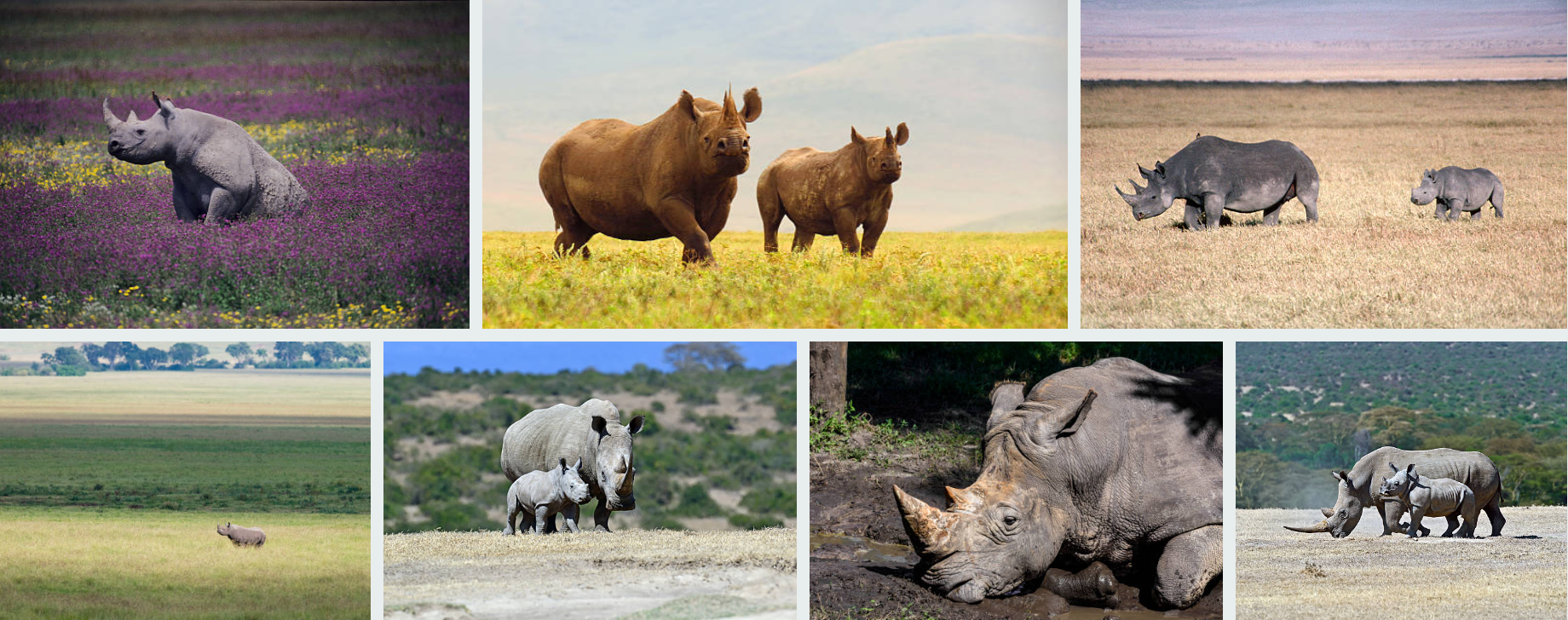
Best Chances of Spotting a Rhino in Ngorongoro
Seeing a rhino in Ngorongoro is possible but requires patience, luck, and strategic planning. Here are some tips to maximize your chances:
1. Visit During the Dry Season (June-October)
- The dry season is the best time for wildlife viewing, as animals congregate around water sources.
- Vegetation is less dense, making it easier to spot rhinos from a distance.
2. Explore the Crater Floor at Dawn or Dusk
- Rhinos are most active during cooler hours. Early morning and late afternoon game drives increase your chances of an encounter.
- The Lerai Forest and open grasslands near Lake Magadi are known rhino hotspots.
3. Hire an Experienced Guide
- Local guides have extensive knowledge of rhino movement patterns and can track recent sightings.
- They communicate with rangers who monitor rhino locations for conservation purposes.
4. Use Binoculars and Be Patient
- Rhinos are often seen at a distance, so good binoculars or a camera with a zoom lens are essential.
- Since they are solitary animals, sightings may require waiting in key areas.
5. Consider a Specialized Safari
- Some tour operators offer rhino-tracking experiences with researchers or rangers, providing deeper insights into conservation efforts.
Conservation Efforts Protecting Ngorongoro’s Rhinos
The survival of rhinos in Ngorongoro is largely due to intensive conservation initiatives. Key efforts include:
1. Anti-Poaching Units
- Armed rangers patrol the crater 24/7 to deter poachers.
- High-tech surveillance, including drones and camera traps, helps monitor rhino movements.
2. Translocation and Breeding Programs
- Rhinos from Ngorongoro have been relocated to other protected areas to establish new populations.
- Breeding programs aim to increase genetic diversity and boost numbers.
3. Community Involvement
- Local Maasai communities play a crucial role in conservation, acting as wildlife scouts and benefiting from eco-tourism.
- Education programs raise awareness about the importance of rhino protection.
4. Tourism Revenue Supporting Conservation
- Park fees and safari tourism generate funds that directly support anti-poaching and habitat management.
The Future of Rhinos in Ngorongoro
While the black rhino population in Ngorongoro remains critically low, there is hope. Conservation efforts have stabilized their numbers, and occasional sightings prove that these magnificent animals still roam the crater. However, long-term survival depends on continued protection, international cooperation against wildlife trafficking, and sustainable tourism practices.
How You Can Help
- Choose Responsible Tour Operators – Support companies that prioritize ethical wildlife viewing and contribute to conservation.
- Donate to Rhino Conservation Organizations – NGOs like the African Wildlife Foundation and the World Wildlife Fund work to protect rhinos.
- Spread Awareness – Educate others about the rhino crisis and the importance of conservation.
So, can you see rhinos in Ngorongoro? Yes, but it is a rare and privileged experience. The Ngorongoro Crater remains one of the best places in Tanzania to catch a glimpse of the elusive black rhino, thanks to dedicated conservation efforts. While sightings are never guaranteed, the thrill of spotting one of these ancient giants in the wild makes the effort worthwhile. By visiting responsibly and supporting conservation, you contribute to ensuring that future generations may also have the chance to witness these incredible creatures in their natural habitat.