What Vaccinations Do I Need for Both?
Vaccines for Travelers, When planning for travel, relocating to a new country, or even preparing for certain life events, understanding the necessary vaccinations is crucial for safeguarding your health and the well-being of those around you. Vaccinations protect against preventable diseases, some of which may be rare in your home country but prevalent in other regions. Whether you’re preparing for international travel, starting a new job, or ensuring family safety, knowing which vaccines are required or recommended can be overwhelming. This comprehensive guide will explore the essential vaccinations for different scenarios, including travel, routine healthcare, and specific life stages, ensuring you stay protected in all circumstances.
Understanding Vaccinations: Why They get Vaccines for Travelers
Vaccinations are one of the most effective public health measures, preventing the spread of infectious diseases and reducing severe illness. They work by stimulating the immune system to recognize and combat pathogens, providing immunity without the risk of full-blown infection. Depending on your destination, occupation, or health condition, different vaccines may be necessary.
The two primary categories of vaccinations include:
- Routine Vaccinations – These are standard immunizations recommended for everyone, typically administered during childhood but requiring boosters in adulthood (e.g., tetanus, measles, flu shots).
- Travel or Special Circumstance Vaccinations – Required or advised based on travel destinations, outbreaks, or occupational hazards (e.g., yellow fever, typhoid, or meningococcal vaccines).
Below, we’ll break down the key vaccinations needed for different situations.
Essential Routine Vaccines for Travelers of All Ages
Regardless of travel plans, certain vaccines are fundamental for maintaining health. The Centers for Disease Control and Prevention (CDC) and the World Health Organization (WHO) recommend the following core immunizations:
1. Childhood Vaccines (From Birth to Adolescence)
- Hepatitis B – Protects against liver infection; given at birth.
- DTaP (Diphtheria, Tetanus, Pertussis) – Prevents deadly respiratory and nervous system diseases; administered in multiple doses.
- MMR (Measles, Mumps, Rubella) – Protects against highly contagious viruses; first dose at 12-15 months.
- Polio (IPV) – Prevents poliomyelitis; given in four doses.
- Varicella (Chickenpox) – Recommended for children who haven’t had the disease.
2. Adolescent and Adult Boosters
- Tdap/Td (Tetanus, Diphtheria, Pertussis Booster) – Needed every 10 years.
- HPV (Human Papillomavirus) – Prevents cancers caused by HPV; recommended for preteens and young adults.
- Meningococcal Vaccine – Essential for teens and college students living in dorms.
- Influenza (Flu Shot) – Annual vaccination to prevent seasonal flu.
3. Vaccines for Older Adults (50+ Years)
- Shingles (Herpes Zoster) – Reduces the risk of painful shingles outbreaks.
- Pneumococcal Vaccine – Protects against pneumonia and meningitis, especially important for seniors.
Missing any of these? Consult your healthcare provider to catch up.
Vaccines for Travelers: What You Need Based on Destination
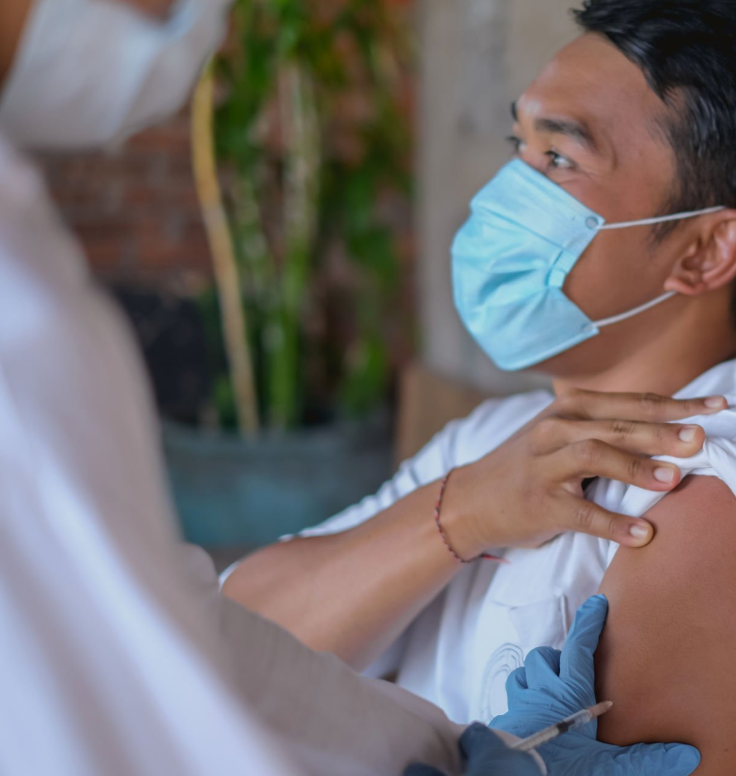
If you’re traveling internationally, some countries require proof of vaccination for entry, while others strongly recommend immunizations due to disease prevalence. Below are key travel-related vaccines:
1. Commonly Required Travel Vaccines
- Yellow Fever – Mandatory for entry in parts of Africa and South America; administered at certified centers.
- Typhoid – Recommended for travelers to South Asia, Africa, and Latin America.
- Hepatitis A & B – Crucial for regions with poor sanitation (Hepatitis A via contaminated food/water; Hepatitis B via blood/body fluids).
- Rabies – Advised for travelers to areas with stray animals (e.g., parts of Asia, Africa).
2. Region-Specific Recommendations
- Meningitis (ACWY or B) – Required for Hajj pilgrims (Saudi Arabia) and the African “meningitis belt.”
- Japanese Encephalitis – Important for rural areas in Southeast Asia and the Western Pacific.
- Cholera – Rarely required but recommended for humanitarian workers in outbreak zones.
3. COVID-19 & Other Emerging Diseases
- Stay updated on COVID-19 boosters and any new recommendations for respiratory illnesses.
Pro Tip: Check the CDC’s Travel Health Notices or the WHO’s International Travel and Health guide for destination-specific advice.
Occupational and Lifestyle-Based Vaccinations
Certain jobs or lifestyles increase exposure risks, necessitating additional immunizations:
- Healthcare Workers – Hepatitis B, MMR, varicella, and annual flu shots.
- Animal Handlers/Veterinarians – Rabies pre-exposure prophylaxis.
- Military Personnel – Anthrax, smallpox (in some cases).
- Backpackers/Adventure Travelers – Consider tick-borne encephalitis (TBE) in Europe/Asia.
Special Considerations: Pregnancy, Allergies, and Medical Conditions
- Pregnant Women – Safe vaccines include Tdap, flu shot, and COVID-19 (consult a doctor). Avoid live vaccines (e.g., MMR, varicella).
- Immunocompromised Individuals – May need adjusted schedules (e.g., no live vaccines for HIV/AIDS patients).
- Severe Allergies – Inform your doctor if you’ve had allergic reactions to vaccine components (e.g., eggs in flu shots).
How to Stay Updated on Vaccinations
- Consult a Travel Clinic or Doctor – At least 4-6 weeks before travel for optimal protection.
- Check Government Health Websites – CDC, WHO, and your country’s health department provide updated lists.
- Keep a Vaccination Record – Essential for school, work, and international travel.
Prevention Is Better Than Cure
Vaccinations are a critical part of personal and global health. Whether you’re keeping up with routine immunizations, preparing for a trip, or adapting to occupational risks, staying informed ensures you and others remain protected. Always consult a healthcare professional to tailor vaccine recommendations to your specific needs.
By taking proactive steps, you contribute to disease eradication and enjoy a healthier, safer life—wherever you go.
Final Advice: Don’t wait until the last minute! Some vaccines require multiple doses or weeks to become effective. Plan ahead and prioritize your well-being.
Would you like personalized recommendations based on your next destination or health profile? Share your details in the comments or consult a medical expert today!